
Waḳaƞ Ṭípi Awaƞyaƞkapi’s mission is to engage people to honor and care for our natural places and the sacred sites and cultural value within them. We advance this mission through four program areas: Cultural Lifeways, Land & Environment, Exhibits & Interpretation, and Systems & Narrative Change.
Read on to learn more about each of our program areas and visit our Events & Volunteer Opportunities pages to find ways to get involved.
Cultural Lifeways
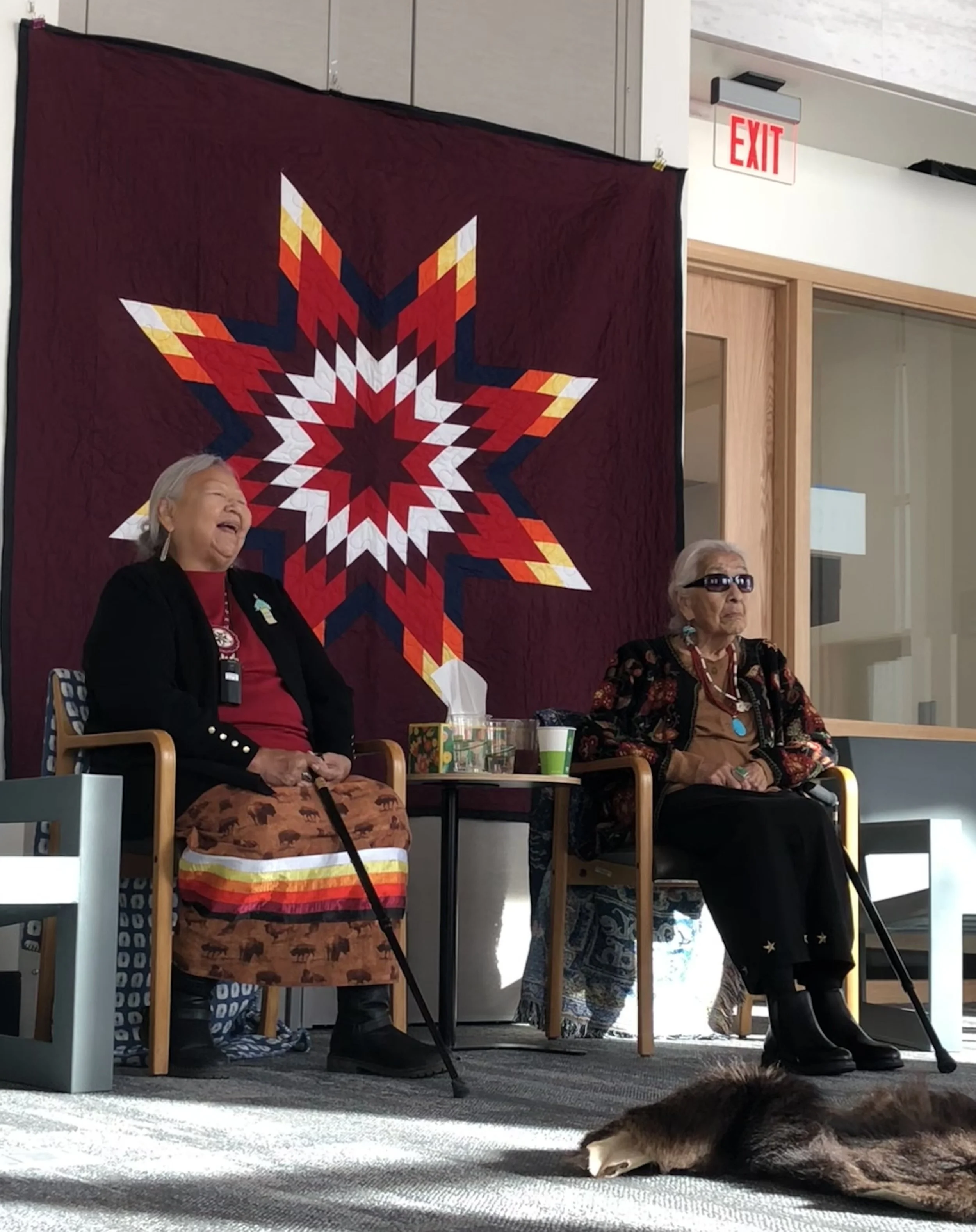
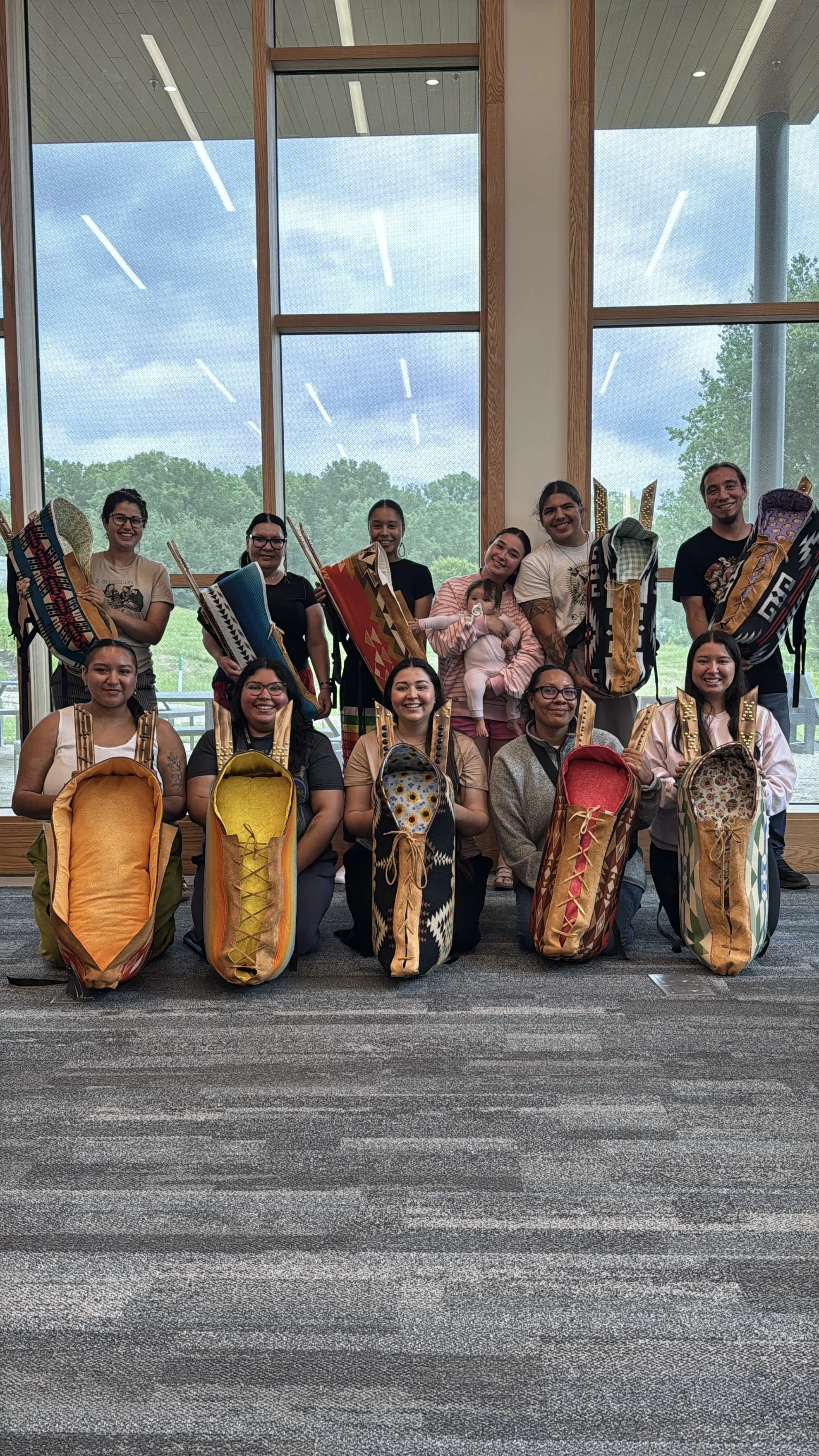
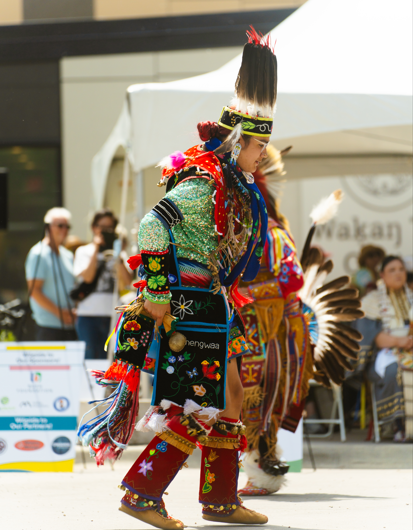
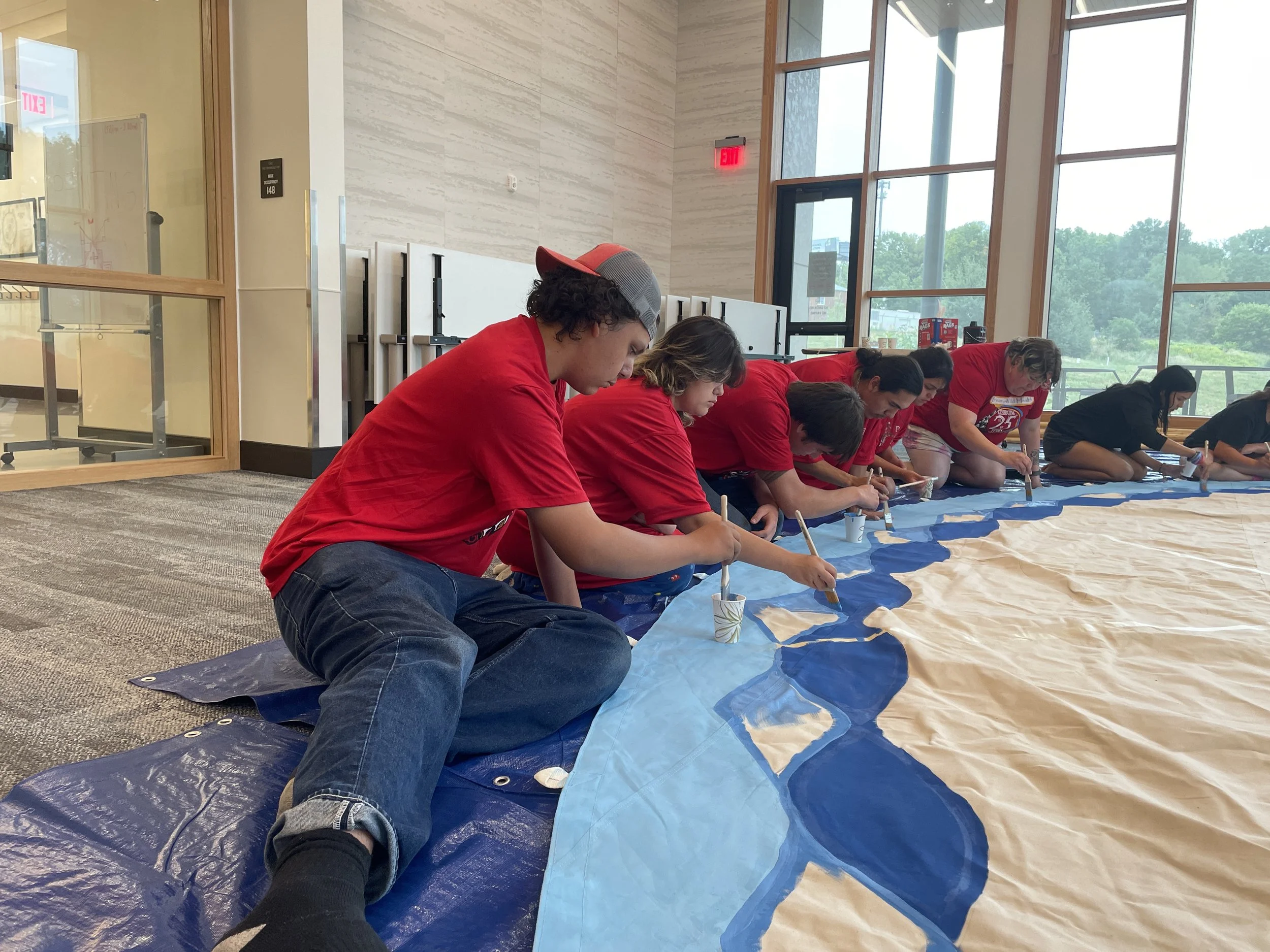
Waḳaŋ Ṭípi is a Daḳota place, and our cultural programming is grounded in Daḳota language, knowledge systems, traditions, and relationships to place. These programs create opportunities for Native people to connect with cultural lifeways, strengthen relationships to land and community, and support cultural continuity.
Our programs are rooted in Daḳota traditions, while welcoming Native people from all tribal communities to participate and learn.
Examples: Food sovereignty workshops, language programs, traditional storytelling, arts, and cultural lifeways events.
Land and Environment
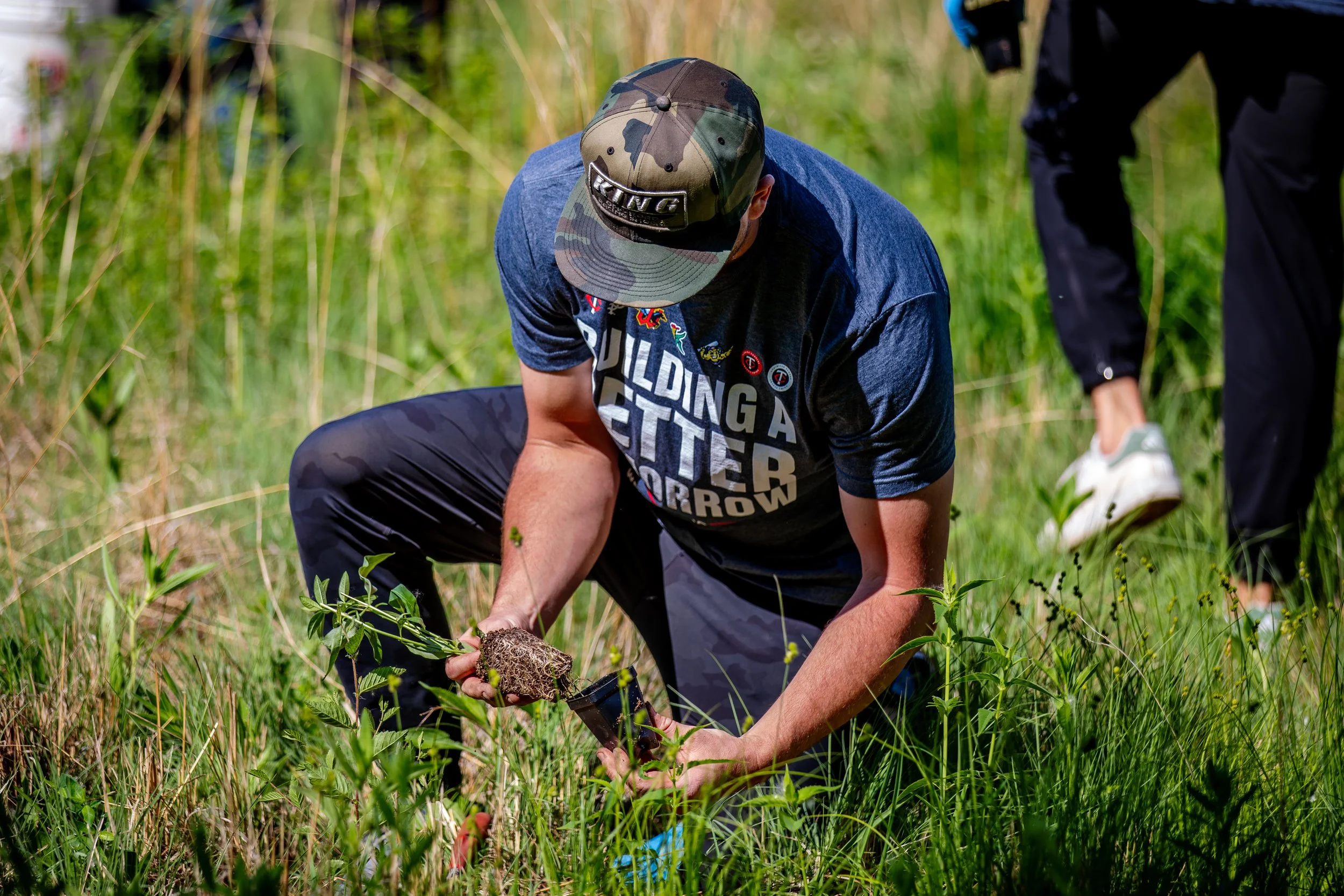
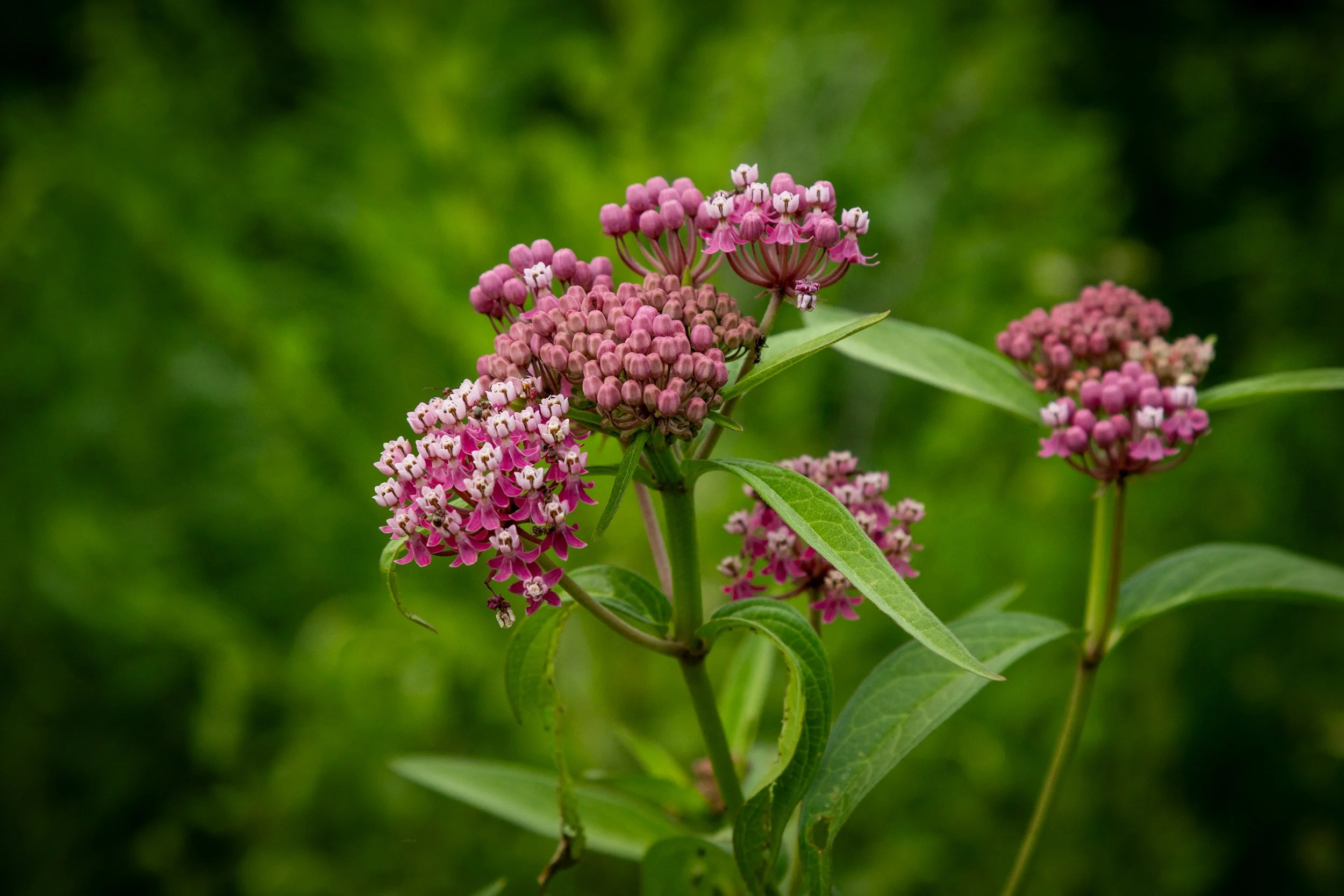
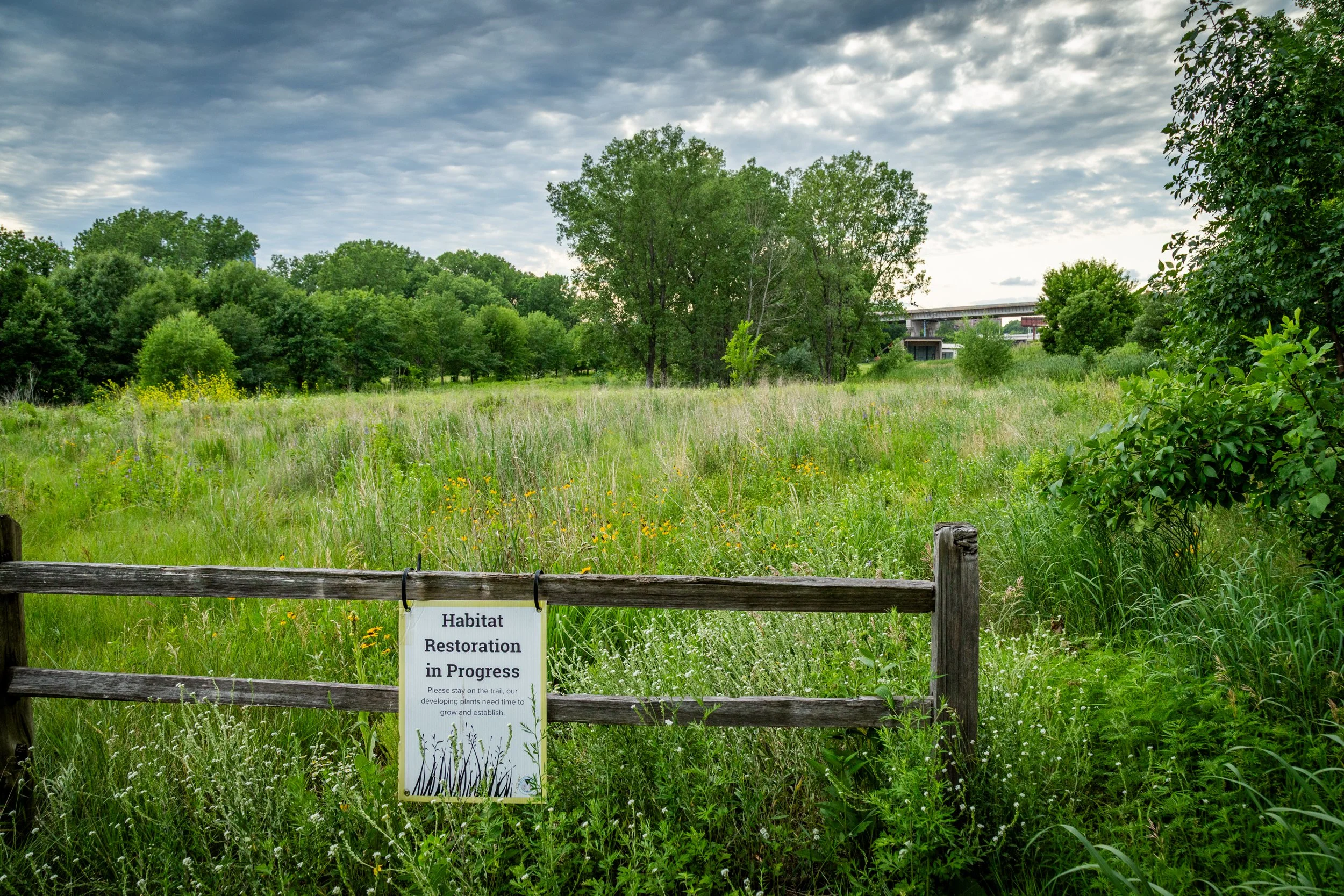
Daḳota people have cared for and been sustained by this land since time immemorial. Daḳota knowledge and relationships to land inform how we approach the stewardship of Waḳaŋ Ṭípi today.
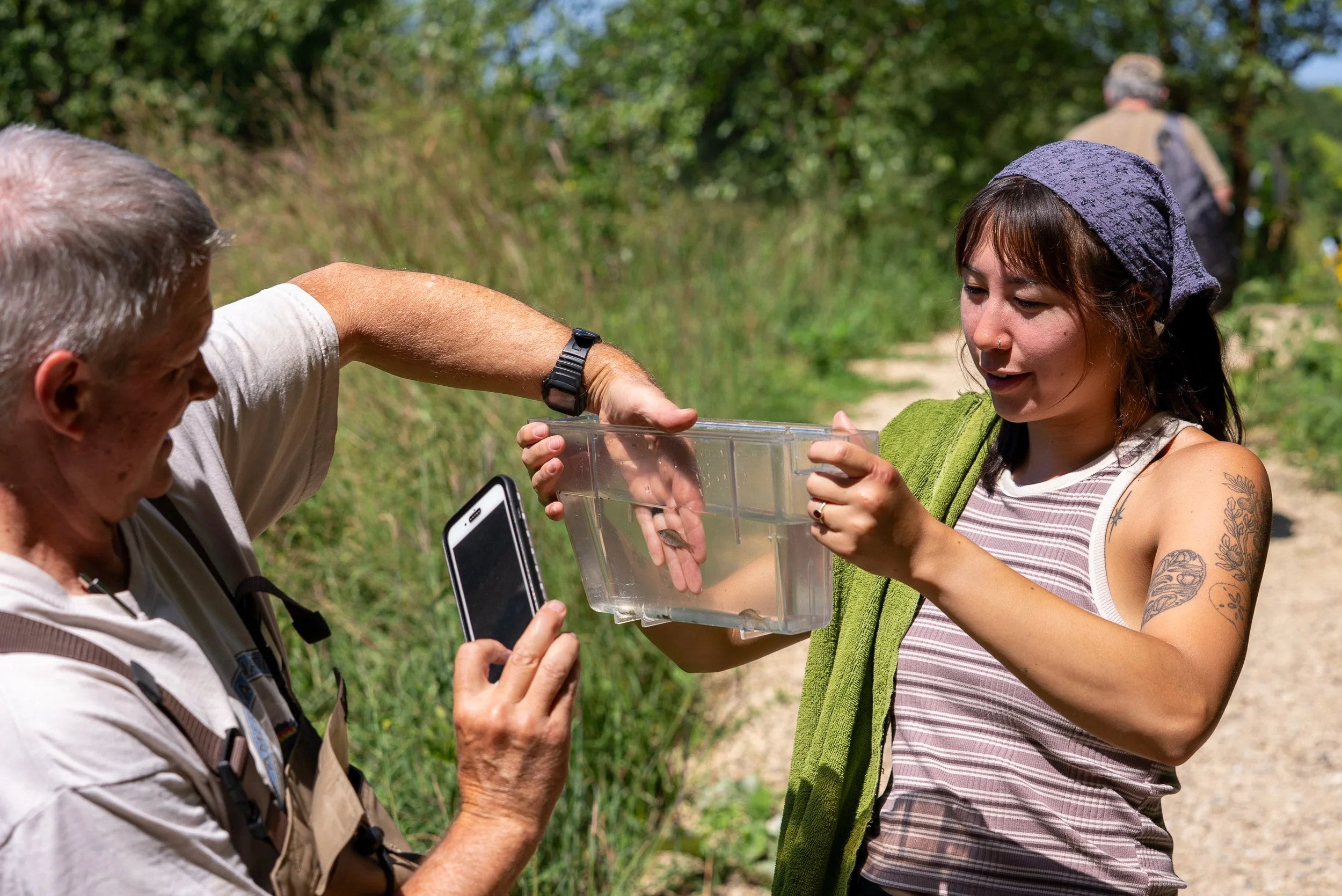
Opened to the public in 2005, the 27-acre landscape includes floodplain forest, mesic prairie, oak savanna, bluff woodland, and spring-fed wetlands. WTA works with the City of Saint Paul to steward and restore these lands through co-management, restoration projects, volunteer stewardship, community science, and environmental education.
Our Land & Environment programs engage people in caring for the land and learning about the plants, animals, water, and ecosystems of Waḳaŋ Ṭípi.
Examples: Restoration of Phalen Creek, restoration and ongoing stewardship of Waḳaƞ Ṭípi, BioBlitz community data collection, volunteer events, and environmental education grounded in Indigenous knowledge.
Exhibits and Interpretation
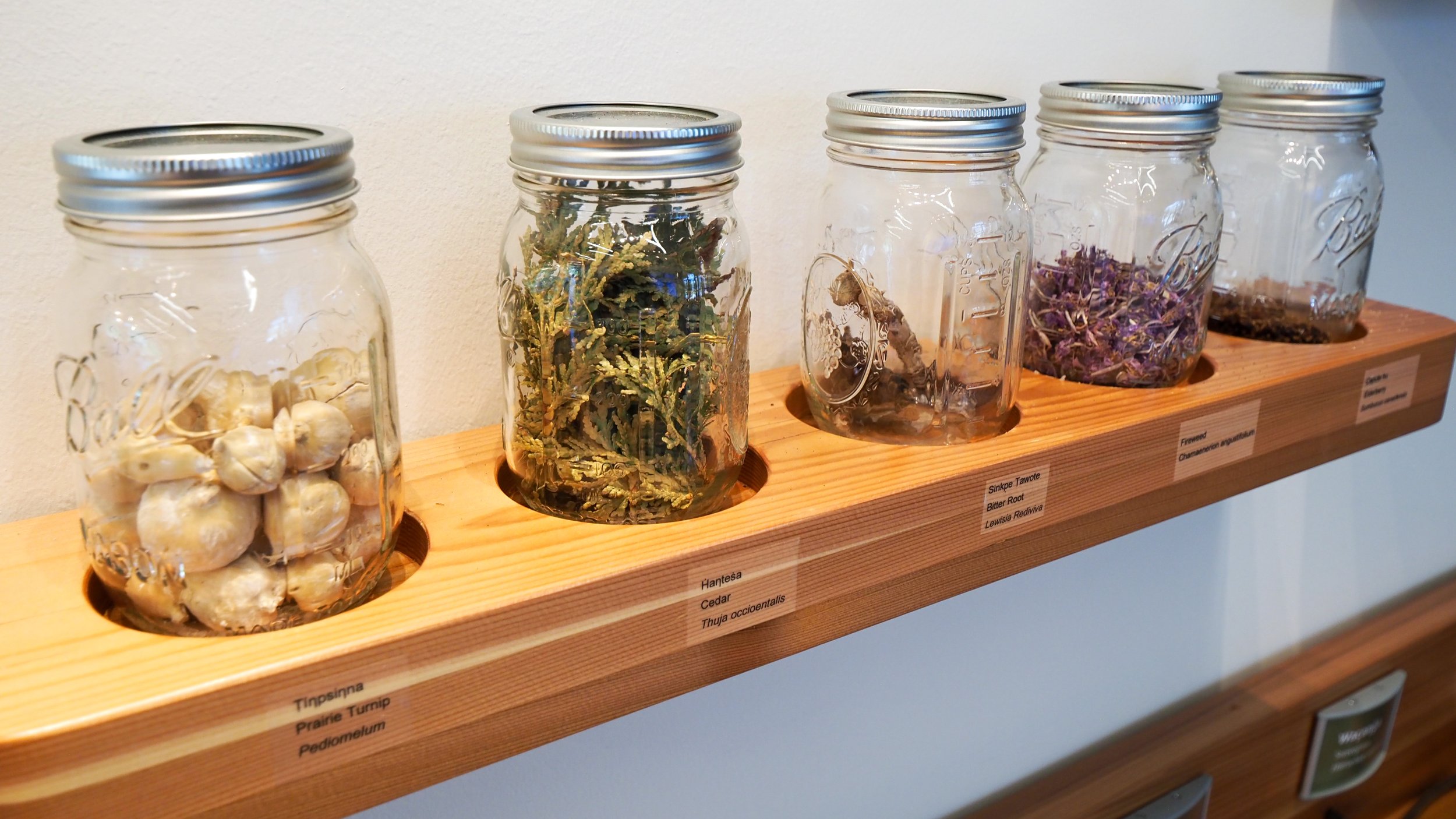
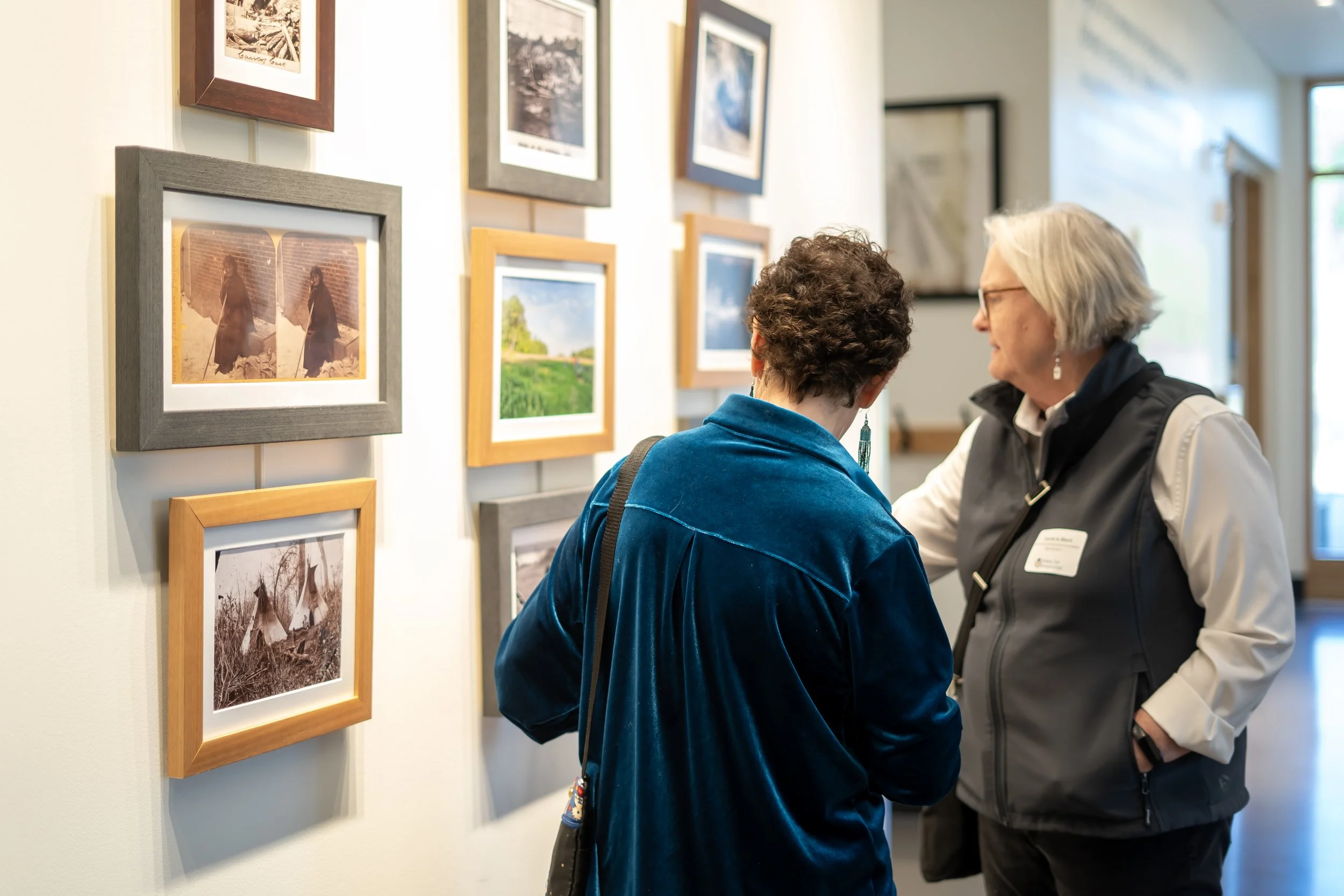
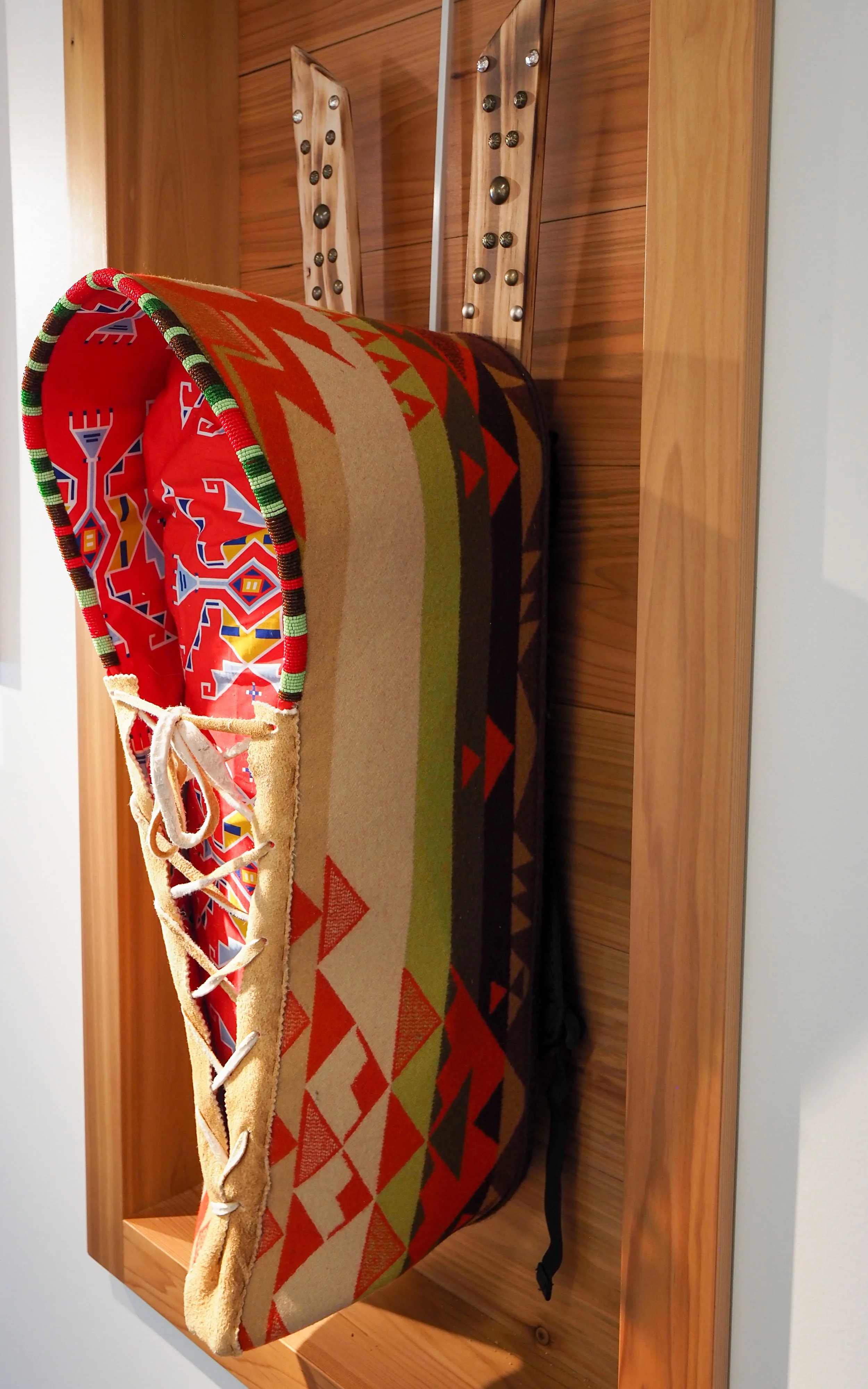
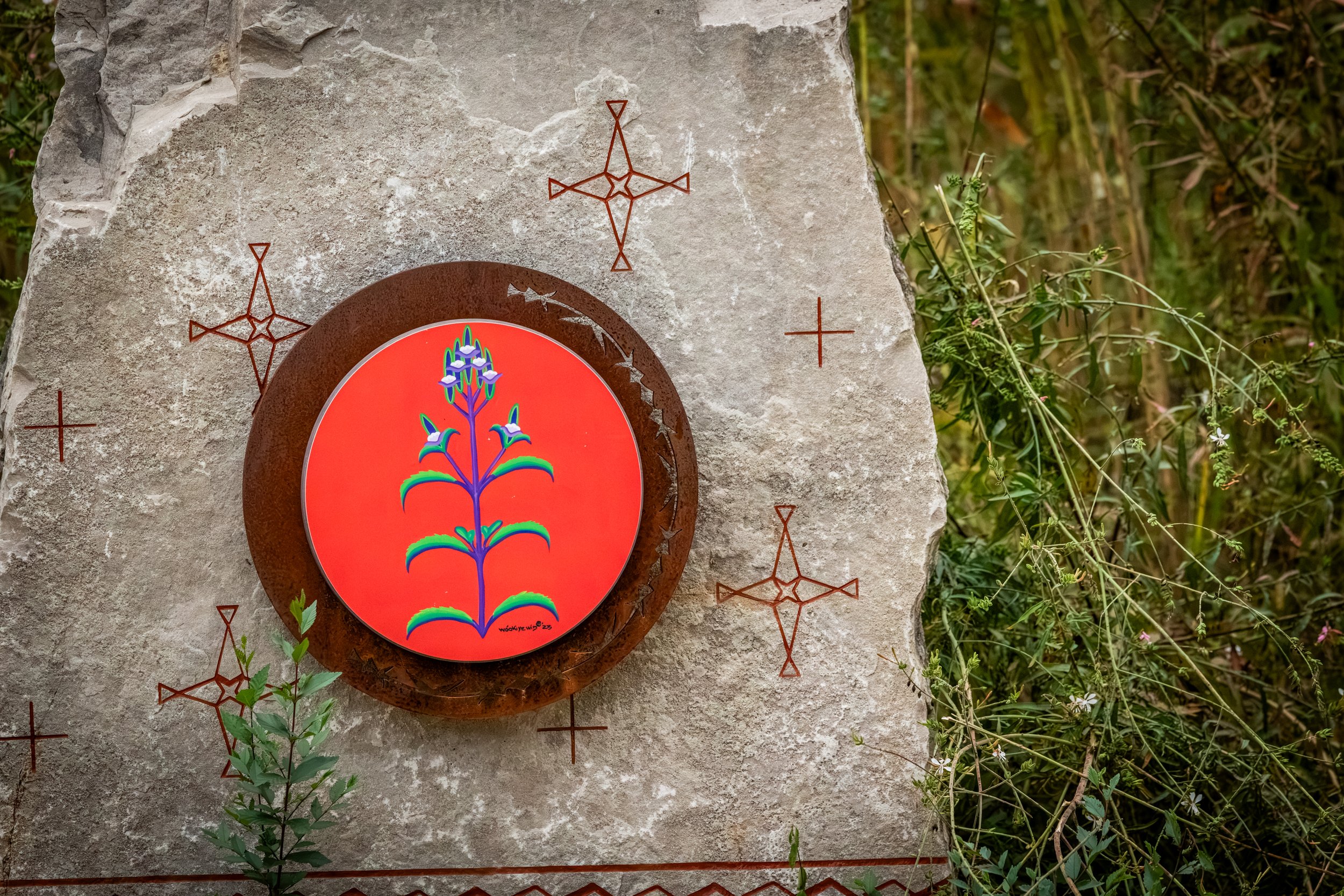
WTA develops exhibits, tours, educational resources, and other interpretive experiences that center Daḳota history, culture, and relationships to land, water, and place.
At Waḳaŋ Ṭípi Center and throughout the site, visitors can explore Daḳota perspectives and the history of this place through permanent and rotating exhibits, guided and self-guided experiences, and online resources.
Our educational resources support teachers, students, and the broader public in learning about Daḳota people and the history of this land. Visit our Exhibits page to learn more about current and upcoming exhibits. Visit our Resources page for educational and interpretive materials, including our new K–12 lesson plans for educators.
Examples: permanent and rotating exhibits, guided visits, self-guided experiences, interactive kiosks, K–12 lesson plans, and online educational resources.
Systems and Narrative Change
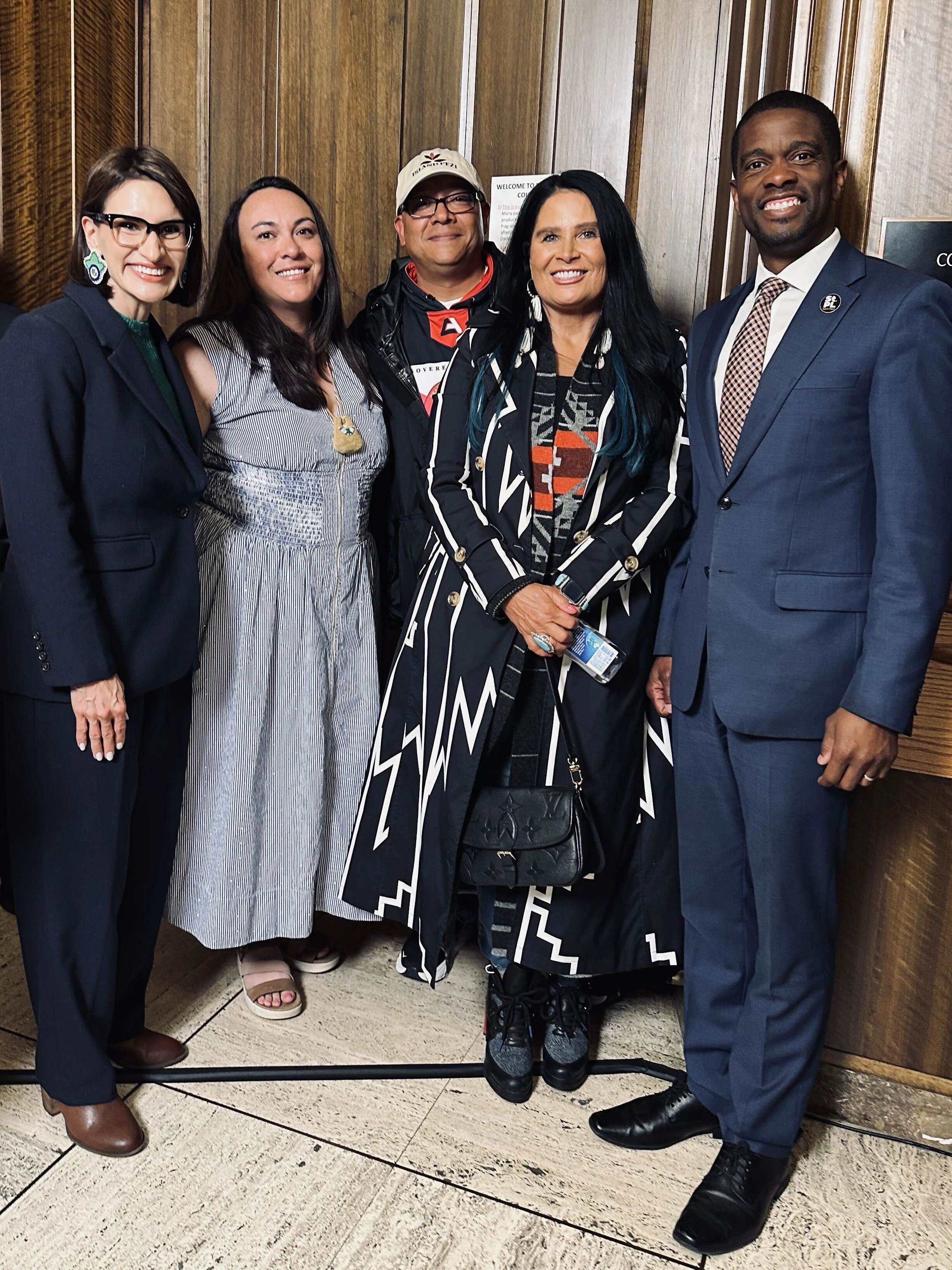
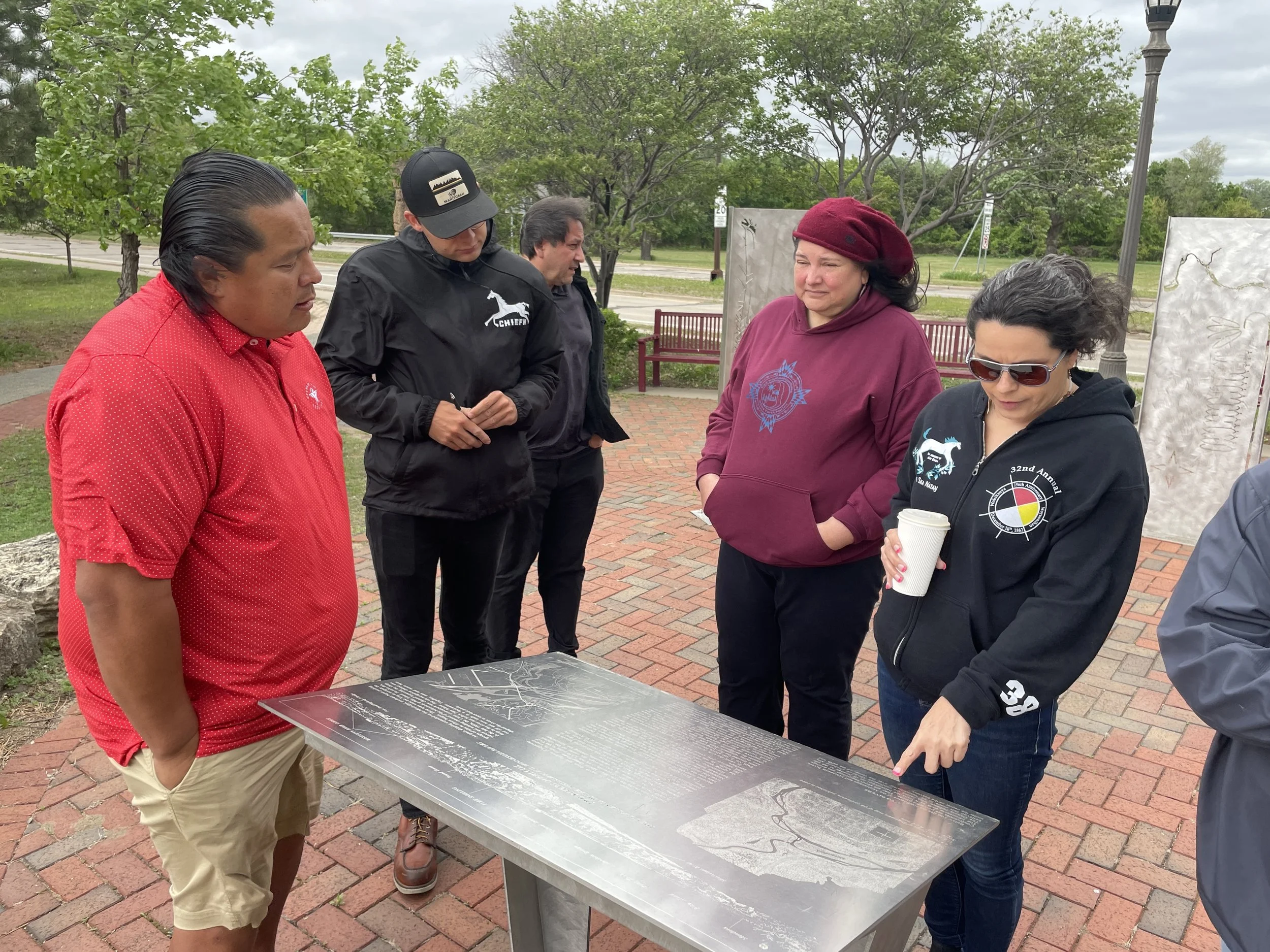
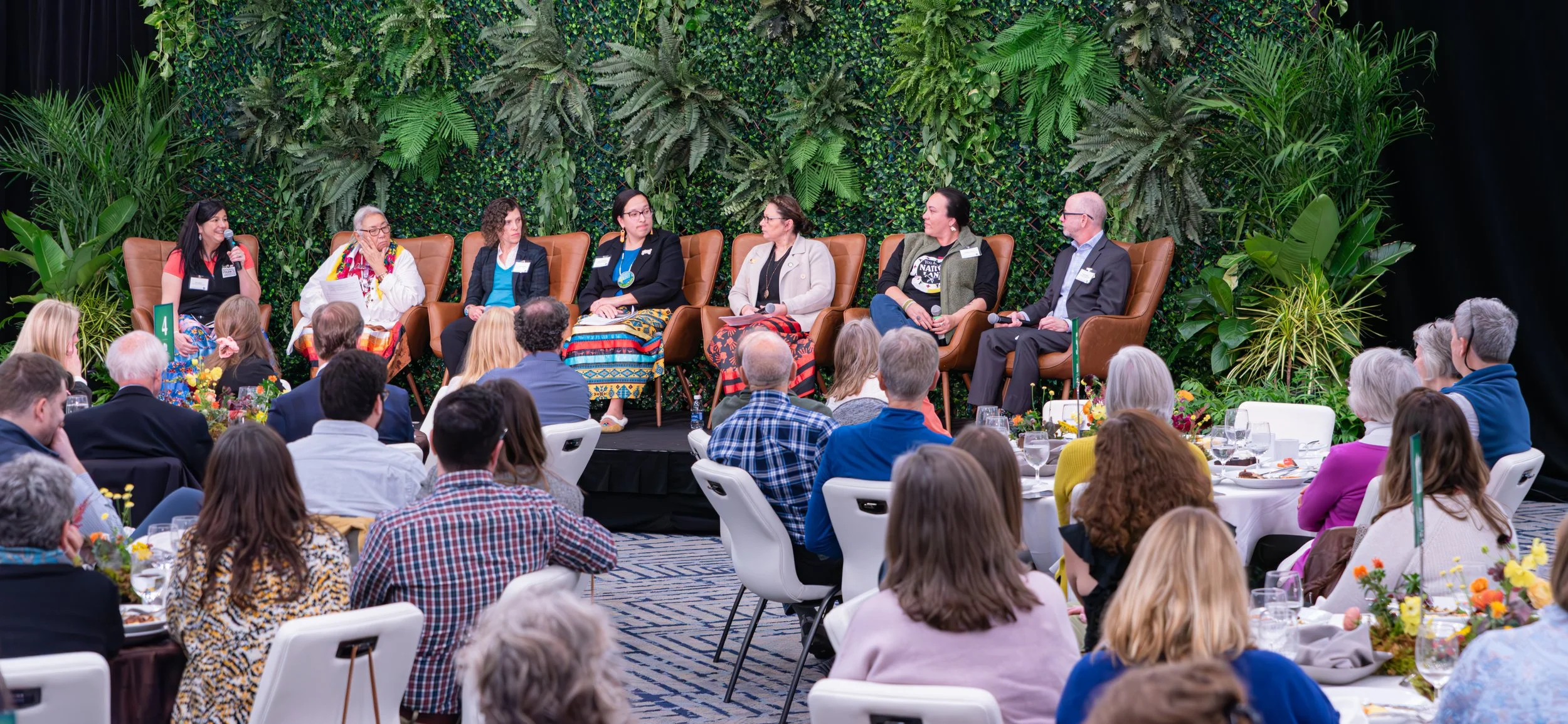
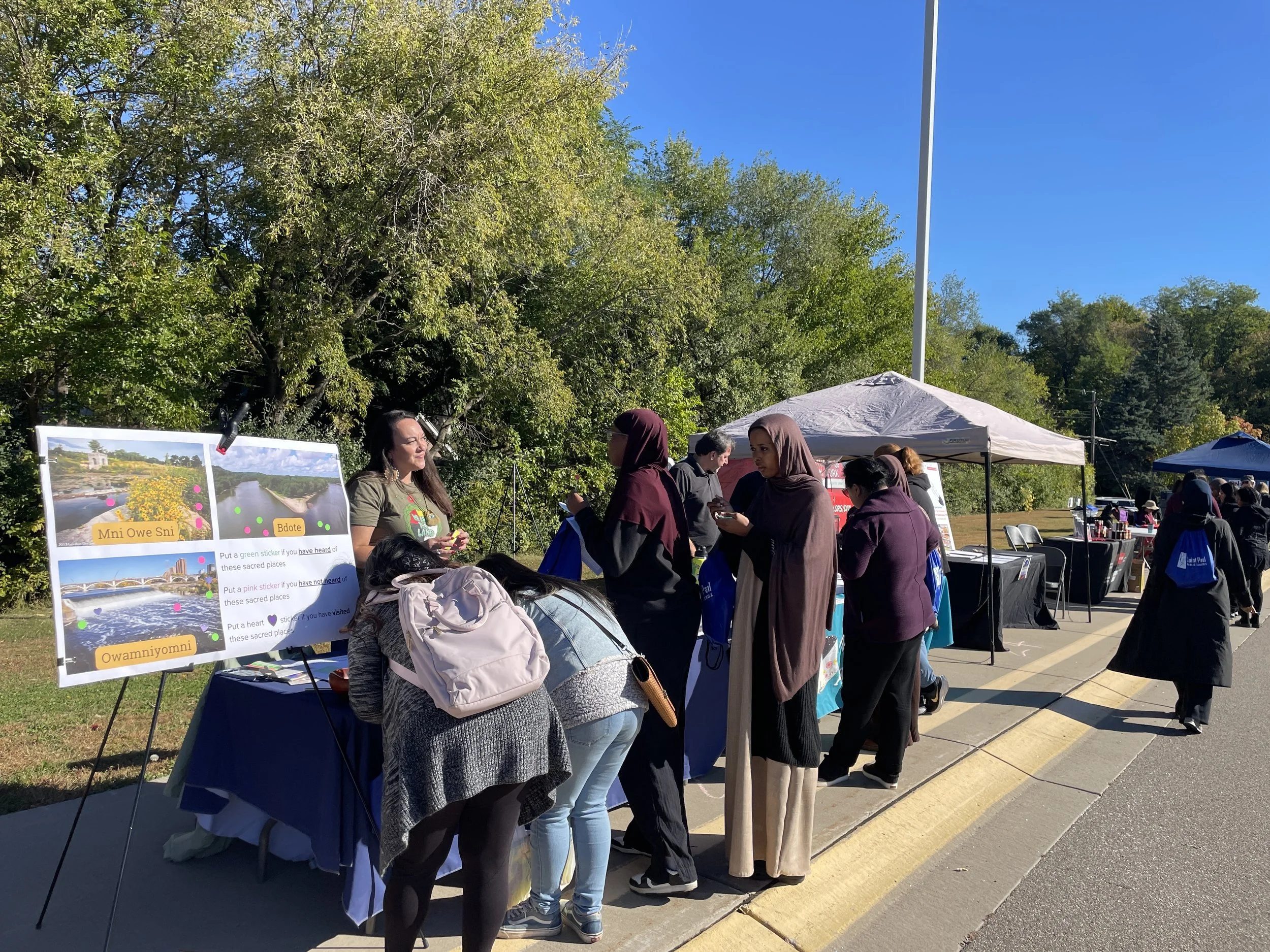
WTA works to change how Indigenous people, histories, and relationships to land are represented and recognized in public spaces and institutions.
We work with land-managing agencies and other public partners across the Twin Cities region to advance Indigenous access, authority, and stewardship of culturally significant landscapes. We work to restore Indigenous place names, expand access for Native people to sacred and culturally important sites, and advance land management practices that recognize and incorporate Indigenous knowledge and stewardship.
We also advise public agencies and other partners on Indigenous interpretation and the development of projects that accurately represent Indigenous histories, cultures, and relationships to place.
Examples: Restoration of place names Waḳaƞ Ṭípi and Wicaḣapi in Saint Paul, design of Native pollinator and medicine gardens at Mayo Clinic in Rochester, interpretive exhibit development for Mississippi Gateway Visitor Center in Brooklyn Park.